Becoming a new parent is one of life’s most meaningful transitions, but for many women, it is also emotionally overwhelming. While society often focuses on postpartum depression, postpartum anxiety is just as common—characterized by racing thoughts, excessive worry, physical tension, and a persistent sense of dread. The good news is that women do not have to navigate this alone. An effective postpartum anxiety support plan can make recovery smoother, safer, and more empowering.
At Christine Bilbrey, MD, PC, we help new mothers create personalized strategies that strengthen communication with partners, reduce daily stress, and connect them with supportive community resources.
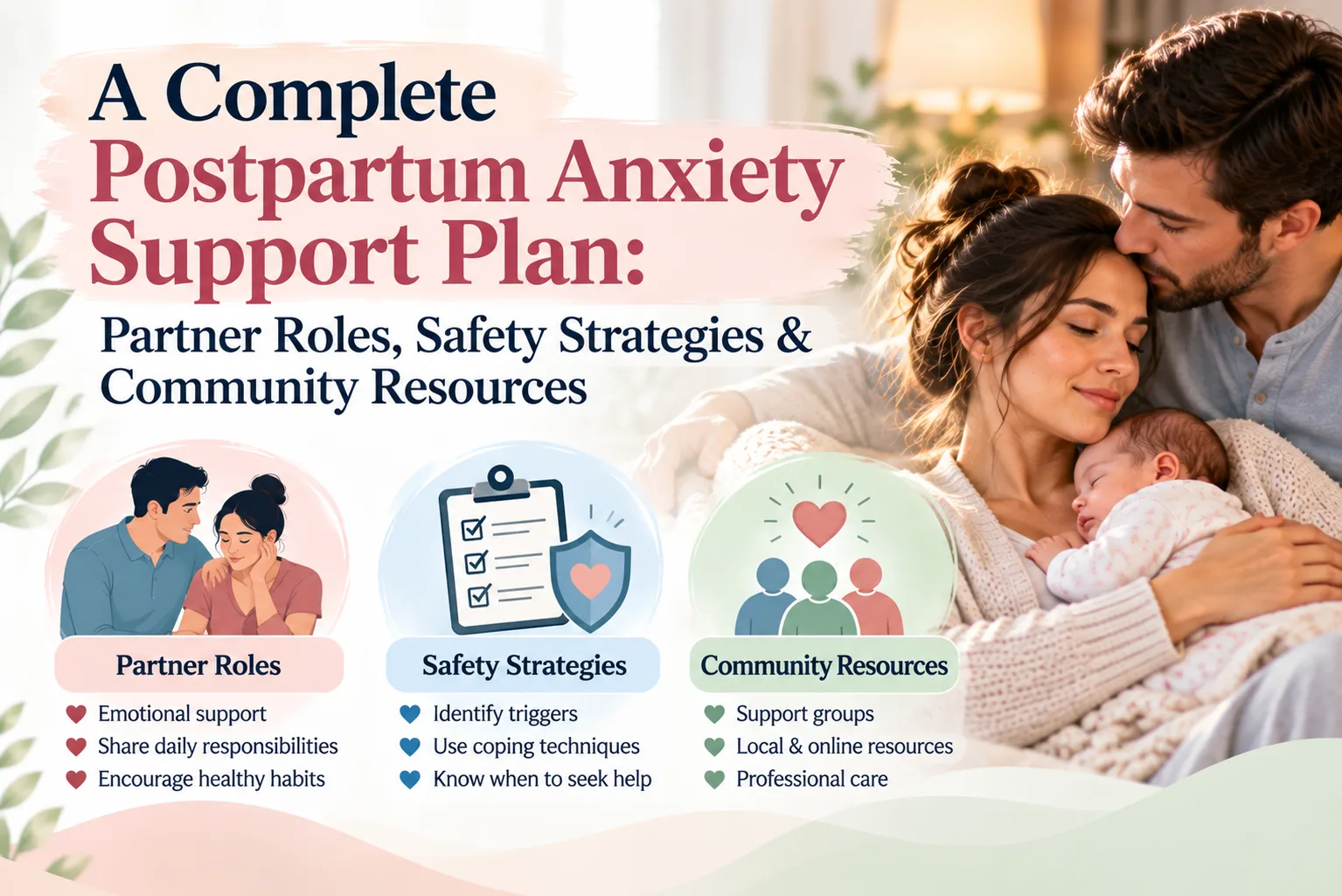
In this guide, you’ll learn how to build a postpartum anxiety support plan that includes:
- Clear partner roles to reduce emotional and physical burden
- A practical plan for moments of high distress
- Reliable community resources that provide additional care and support
Understanding Postpartum Anxiety: What It Is and Why Support Matters
Postpartum anxiety goes beyond typical new-parent worrying. It may show up as:
- Constant fear that something bad will happen
- Difficulty sleeping even when the baby sleeps
- Physical symptoms like a racing heart or tight chest
- Repetitive checking (baby breathing, baby monitor, locks, etc.)
- Irritability or an inability to relax
- Intrusive or scary thoughts
These symptoms are not a sign of weakness—they are a sign of a nervous system overwhelmed by hormonal changes, sleep deprivation, and the enormous responsibility of caring for a newborn.
Having a support plan in place ensures the mother is not carrying this weight alone, and the partner understands exactly how to help.
1. Partner Roles: How Loved Ones Can Actively Support Healing
Many partners want to help but simply don’t know how. A well-structured postpartum anxiety support plan outlines specific responsibilities that reduce stress and promote emotional stability for the mother.
✔ Emotional Support Responsibilities
1. Validate Feelings Instead of Dismissing Them
Instead of saying “Don’t worry, everything’s fine,” supportive partners can say:
- “I can see you’re overwhelmed—how can I support you right now?”
- “You’re not alone; we’re in this together.”
Validation prevents mothers from feeling misunderstood or isolated.
2. Learn About Postpartum Anxiety Together
Partners should understand symptoms, triggers, and treatment options. This shared knowledge:
- Reduces stigma
- Improves compassion
- Ensures partners recognize signs when anxiety intensifies
3. Participate In Therapy Sessions When Needed
Joint sessions can:
- Strengthen communication
- Reduce misunderstandings
- Help partners support coping strategies at home
At Christine Bilbrey, MD, PC, partners are encouraged to be part of the healing process.
✔ Practical Daily Support Responsibilities
4. Share Nighttime Duties
Sleep deprivation makes anxiety significantly worse.
Partners can assist by:
- Taking turns with nighttime feedings
- Handling diaper changes
- Putting the baby back to sleep
Even a few more hours of rest can dramatically improve symptoms.
5. Manage Household Tasks
Things like laundry, dishes, grocery shopping, and meal prep often feel impossible when anxiety peaks. Partners can support by:
- Taking over chores temporarily
- Ordering groceries or meal kits
- Creating a calm, clutter-free home environment
6. Create a “Calming Window” Each Day
A 20–30 minute break for the mother to breathe, shower, nap, or meditate can reset the nervous system. The partner steps in fully during this time.
✔ Monitoring and Safety Responsibilities
7. Recognize Red Flags
Partners should know when symptoms suggest the need for professional or urgent support:
- Panic attacks
- Inability to sleep despite exhaustion
- Intense intrusive thoughts
- Feeling disconnected from the baby
- Thoughts of harm (if there is every any concern for harm to self or others, call 911 or go to nearest emergency room for urgent care)
8. Support Healthy Habits
Partners can help encourage:
- Consistent meals
- Hydration
- Medication adherence
- Therapy appointments
- Short daily walks
Small habits, supported consistently, make a significant difference in recovery.
2. Creating a Postpartum Anxiety Support Plan
A safety plan is not about expecting danger—it’s about creating clarity for moments when anxiety becomes overwhelming. It helps prevent crises and ensures that help is easily accessible.
Below is a highly effective structure used in our clinic.
✔ Step 1: Identify Triggers and Early Warning Signs
These may include:
- Long periods without sleep
- Being alone for too long
- Overstimulation from noise or clutter
- Specific intrusive thoughts
- Sense of being “out of control”
Writing these down helps parents take action before anxiety escalates.
✔ Step 2: List Effective Coping Strategies
A personalized coping list may include:
- Deep-breathing exercises
- Taking a warm shower
- Stepping outside for fresh air
- Listening to calming music
- Doing grounding activities (like 5-4-3-2-1 sensory technique)
- Contacting a supportive friend or partner
Place this list somewhere visible—on the fridge or inside a journal.
✔ Step 3: Identify Supportive People You Can Call
This list may include:
- Partner
- Close family members
- Trusted friends
- Therapist or psychiatrist
- Postpartum doula
Add phone numbers directly to the safety plan for quick access.
✔ Step 4: Create a Crisis Plan
Include:
- When to call your provider
- When to go to urgent care or the ER
- Emergency contacts
- National crisis hotline numbers:
- U.S. Suicide & Crisis Lifeline: 988
A safety plan does not mean a mother is failing—it means she is proactively protecting her wellbeing and her baby’s safety.
3. Community Resources for Postpartum Anxiety Support
Community support reduces shame, isolation, and fear. Here are resources often recommended to women at Christine Bilbrey, MD, PC.
✔ Local Support Groups
Many communities offer groups such as:
- Postpartum Support International (PSI) meetings
- New-mom anxiety support circles
- Breastfeeding support groups
- Mindfulness and meditation groups for mothers
These spaces help mothers connect with others experiencing similar struggles.
✔ Online Support Communities
For mothers who feel isolated or prefer virtual support:
- PSI Online Meetings
- Facebook groups for postpartum mental health
- Anxiety-specific forums for new parents
Online communities offer 24/7 reassurance and shared coping tools.
✔ Postpartum Doulas and Home Support
Postpartum doulas are trained to provide:
- Infant care support
- Sleep guidance
- Emotional reassurance
- Household help
- Feeding support
Even a few hours a week can dramatically ease anxiety.
✔ Therapy and Psychiatry Options
At Christine Bilbrey, MD, PC, mothers can access:
- Integrative psychiatry
- Medication management
- Holistic anxiety treatments
- Mind-body approaches
- Collaborative care with partners
Professional treatment can be life-changing, especially when symptoms are persistent or disruptive.
4. Building a Personalized Postpartum Anxiety Support Plan
Here’s how parents can put everything together:
Step 1: Hold a Partner Planning Meeting
Discuss expectations around:
- Sleep schedules
- Housework
- Baby care roles
- Emotional check-ins
Clear communication prevents resentment and provides structure.
Step 2: Design a Routine That Reduces Anxiety
A calming daily rhythm may include:
- A morning grounding routine
- Predictable nap and feeding windows
- A midday break for the mother
- An evening wind-down routine
Consistency stabilizes the nervous system.
Step 3: Create the Support Plan and Store It Accessibly
Keep copies in:
- The nursery
- The bedroom
- A phone notes app
Partners should have access to it as well.
Step 4: Build Your Community Connections
Join at least one group or resource from the list above. Loneliness is one of the strongest predictors of worsening postpartum anxiety.
Step 5: Schedule Professional Support
Reach out for professional help if:
- Anxiety persists for more than two weeks
- Thoughts feel intrusive or distressing
- Daily functioning becomes difficult
- Sleep becomes severely disrupted
Why Professional Support Matters
Postpartum anxiety is highly treatable when addressed early. Women often feel significant relief through a combination of:
- Therapy
- Medication (if appropriate)
- Partner involvement
- Mindfulness and nervous system regulation
- Social support
At Christine Bilbrey, MD, PC, we offer compassionate, evidence-based care that honors the emotional, psychological, and physical needs of mothers.
Final Thoughts
Postpartum anxiety is deeply challenging, but with a supportive partner, a clear safety plan, and access to community resources, mothers can regain confidence, calm, and emotional stability. No one needs to navigate postpartum anxiety alone—help is available, and healing is possible.
If you or someone you love is struggling, reach out to Christine Bilbrey, MD, PC for compassionate, expert care designed to support the journey into motherhood.
FAQs
1. What is a postpartum anxiety support plan?
It’s a structured approach that includes partner roles, coping strategies, safety planning, and community resources to help new mothers manage anxiety effectively.
2. How can my partner support me during postpartum anxiety?
Partners can validate emotions, share baby care, manage household duties, attend therapy sessions, and help monitor for red-flag symptoms.
3. Do I need a support plan even if my anxiety is mild?
Yes. A safety plan is a preventive tool—it creates clarity and reduces fear during high-stress moments.
4. Are community resources helpful for postpartum anxiety?
Absolutely. Support groups, online communities, and postpartum doulas reduce isolation and provide emotional relief.
5. When should I seek professional help?
If anxiety disrupts sleep, causes intrusive thoughts, or interferes with daily functioning, contacting a professional like Christine Bilbrey, MD, PC is essential.